IVY ROOM PRESENTS
THURSDAY SEPT 11TH
—
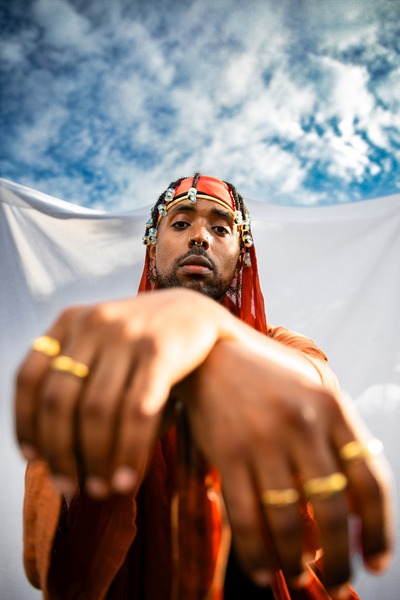
Hugo de la Lune
Oddity
—
7:30 pm doors / 8:00 pm show
ADV TIX AVAILABLE - $18 DOOR
—
IVY ROOM
860 San Pablo Avenue, Albany • 21+
—
Hugo de la Lune
—
Hugo de la Lune is the lunar alias of Bay Area vocalist, composer, and producer Ephraim
Getahun, whose music feels like a séance held in a velvet room. Describing his sound as
Transylvanian Afrosoul, Hugo weaves together the haunted tones of psychedelic rock, the heart
of gospel and soul, the pulse of funk and R&B, and the modal echoes of East Africa.
His voice - tender, sharp, and ascendant - moves like breath through smoke: sometimes a
whisper, sometimes a warning. After three EPs that traced the arc of a myth, his forthcoming
debut album, CODA (2025), brings it to a point of transformation. This album meditates on
identity, rupture, reverence, and the alchemy of becoming.
Live, Hugo performs with an intimate band, inviting the audience into a liminal
space—somewhere between ritual and revelation. The music doesn’t just play; it summons.
Grooves swell, guitars shimmer, and his voice threads through it all like a spell spoken in the
dark.
For those who’ve carried an ache without a map - who’ve searched for a sound to make sense
of longing, and a rhythm to hold their joy - Hugo’s music offers both mirror and myth, shadow
and flame. With a U.S. tour unfolding in summer 2025, Hugo de la Lune isn’t just arriving—he’s
conjuring something.
Oddity
—
With vocals as smooth as aged whiskey, and a warm and lush compositional style inspired by the likes of Strayhorn, Evans and Jobim, Oddity follows in the long-standing tradition of queer jazz expression, all while blending in modern elements of hip-hop and neo-soul.
Oddity’s music is a reflection of her Sagittarius spirit: spontaneous, improvisational, and passionate. As a transfeminine Chinese-American, she manifests a certain yin-yang quality to her sound, embracing the duality of hope and despair, rage and tenderness, revenge and forgiveness.
In her debut album series “The Oddisea”, Oddity explores this messy yet alchemical process of transition: of having to reinvent oneself, of having to let old selves die in order for new selves to be born. Oddity’s story is one of navigating the smoke and mirrors of false salvation, looking deeply into the abyss of the unknown, and ultimately emerging with a radical self-love and an unrelenting drive to answer the all-important question: what work is there to be done?